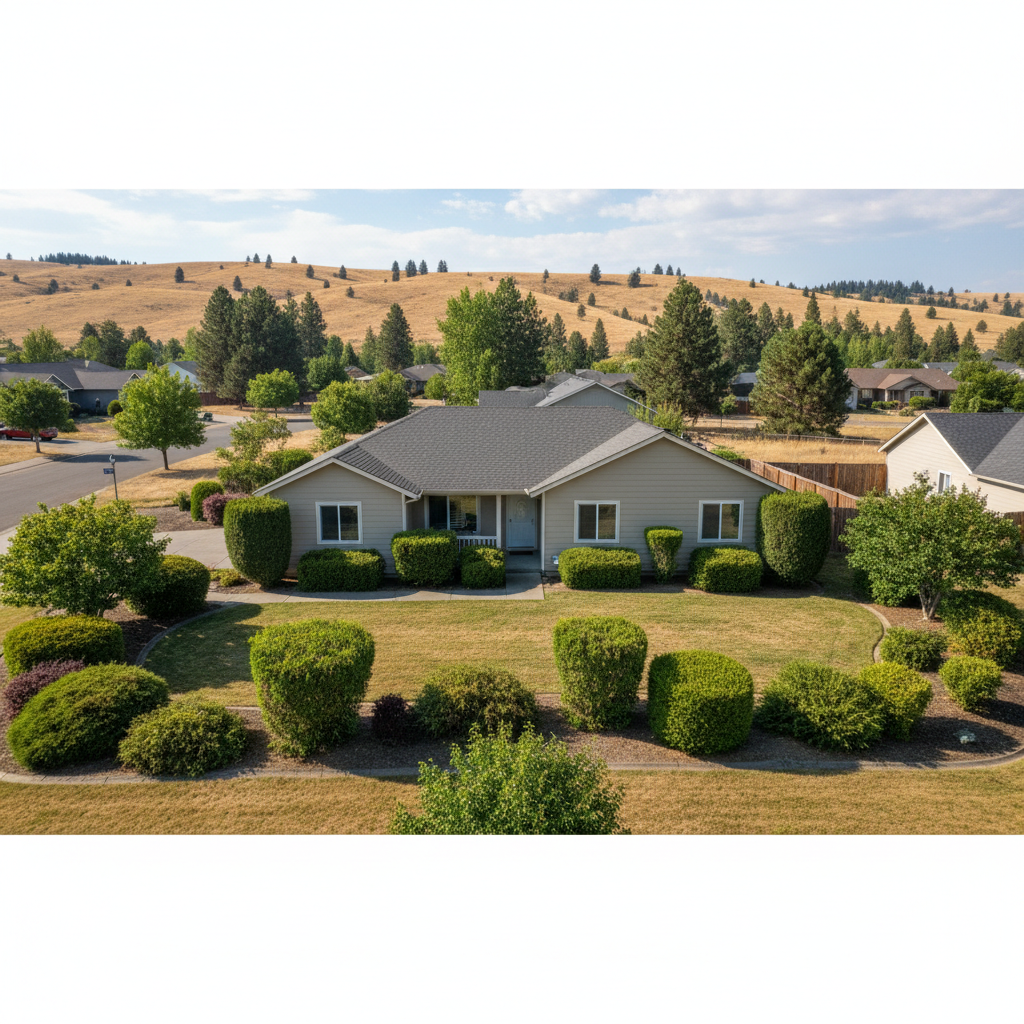
Alright, let's talk about shrubs and bushes. You see them everywhere in Richland, from the older homes in the Gold Coast to the newer developments out by Badger Mountain. They're a big part of what makes a yard look good, or, if they're neglected, what makes it look like a jungle.
A lot of folks think trimming a bush is just taking a pair of shears to it whenever it looks a little shaggy. And sure, you can do that. But if you want your shrubs to thrive, look their best, and actually add value to your property, there's a bit more to it. It's not just about cutting; it's about knowing when to cut, how to cut, and why you're cutting.
Why Proper Trimming Matters More Than You Think
First off, health. Overgrown shrubs can get dense, reducing air circulation and sunlight to the inner branches. That's a perfect recipe for fungal diseases, pests, and dead spots. Regular, proper trimming opens them up, lets them breathe, and helps prevent these issues. You're basically giving your plants a fighting chance against the elements and common problems we see here.
Then there's aesthetics. A well-trimmed shrub has a natural shape, complements your home, and just looks tidy. A poorly trimmed one can look blocky, lopsided, or even stressed. You've probably seen those shrubs that look like they got a bad haircut – all chopped up and unnatural. That's what we're trying to avoid.
And don't forget safety. Overgrown bushes can block pathways, obscure sightlines at driveways, or even rub against your house, potentially damaging siding or creating entry points for pests. Nobody wants that.
Common Trimming Mistakes I See Around Town
I've been doing this a long time with Richland Tree Service, and I've seen pretty much every mistake in the book. Here are a few that pop up regularly:
- Shearing everything into a box: Not all shrubs are meant to be perfect squares or circles. Many have a natural growth habit that looks best when you enhance it, not fight it.
- Topping: This is when you cut off the top of a shrub or tree without regard for its natural form. It often leads to weak, bushy growth that looks ugly and is prone to breaking.
- Cutting too much at once: Taking off more than about a third of a plant's total growth in one go can stress it out, making it more susceptible to disease or even killing it.
- Wrong time of year: Different plants have different trimming needs. Pruning a spring-flowering shrub in late winter means you're cutting off all the flower buds for the coming season. You want those flowers, right?
Richland's Unique Challenges (and Opportunities) for Shrubs
Our local conditions here in Richland definitely play a role in how we approach shrub care. We get hot, dry summers, and sometimes pretty cold winters. The soil can be sandy in some areas, more clay-like in others, especially closer to the river. This means some plants are going to need more attention, or different timing, than they would somewhere else.
For instance, plants that are sensitive to summer heat, like some hydrangeas or azaleas, might need their pruning timed carefully to avoid stressing them during the hottest months. And with our sometimes windy conditions, keeping shrubs well-structured can prevent breakage. I've worked on plenty of properties in South Richland where the wind really whips through, and proper shaping makes a huge difference in how well plants hold up.
Why Local Expertise Matters for Your Shrubs
You can read all the general gardening books you want, but nothing beats local knowledge. I know what shrubs thrive here, what pests are common, and how our specific climate affects plant growth. I've seen how different pruning techniques work out over years in our neighborhoods.
When you hire someone like me, or my crew at Richland Tree Service, you're not just getting a guy with a pair of clippers. You're getting someone who understands the local ecosystem, who knows the growth habits of the plants common in our area, and who can make recommendations that are actually tailored to your yard, not just some generic advice.
It's about making sure your investment in your landscape pays off, year after year. A healthy, well-maintained shrub can last for decades, providing beauty and shade. A neglected one? Well, it's just going to be a headache.
What We Do When We Trim Your Shrubs
When we come out to your place, we're looking at a few things:
- The overall health of the plant.
- Its natural shape and how to enhance it.
- Any dead, diseased, or crossing branches that need to go.
- How it interacts with your home, walkways, and other plants.
- The best time of year for that specific type of shrub.
Our goal is always to leave your shrubs looking natural, healthy, and beautiful, not like they've been attacked by a weed whacker. We want them to complement your home and add to your curb appeal, not detract from it. So, next time you're looking at your bushes and thinking they need a little love, remember there's more to it than just a quick trim. Give us a call if you want it done right.