When's the best time to prune my trees here in Richland?
Honestly, this is probably the question I get asked most often, and it's a really good one. Timing truly makes a difference. For most deciduous trees – you know, the ones that drop their leaves every fall – the sweet spot for pruning is usually late winter or early spring. That's before any new growth starts showing up. Why then, you ask? Well, the tree is snoozing, dormant, so it's not as stressed by the cuts. Plus, you can actually see the branch structure clearly without all those leaves in the way, which really helps when you're deciding what to take off. And hey, diseases and pests aren't as active during those colder months, cutting down on the risk of infection.
Now, there are always exceptions, right? If you've got a tree that blooms early in spring, like a flowering cherry or an ornamental pear, you should generally prune those right after they finish flowering. Prune them in winter, and you'll just be chopping off all the flower buds for that year. Nobody wants that! For evergreens, you can often prune them pretty much any time, but late winter to early spring is still a pretty safe bet to keep stress low. Oh, and if you're dealing with dead, diseased, or branches that look like they might fall, those need to come off the moment you see them. Seriously, don't wait on those.
How much of my tree can actually be pruned at one time?
This is where a lot of people mess up, thinking more is always better. It's not. A good rule of thumb? Never take off more than 25% of a tree's live canopy in a single year. For younger, healthier trees, you might push that a tiny bit, but for older or stressed trees, you really want to be more careful – maybe just 10-15%. Taking off too much at once can seriously stress a tree out, leaving it wide open to pests, diseases, and even sunburn on the trunk or branches that suddenly got exposed.
Think of it like this: the leaves are basically the tree's food factories. If you lop off too many, the tree can't make enough energy to bounce back properly, grow new leaves, and just stay healthy. It's like trying to run a marathon on an empty stomach, if you catch my drift. A good prune means making smart, careful cuts, not just going at it like a maniac. Sometimes, if a tree really needs a lot of work, it's smarter to spread it out over two or even three years instead of trying to do it all at once.
What's the deal with 'topping' a tree? Is it ever okay?
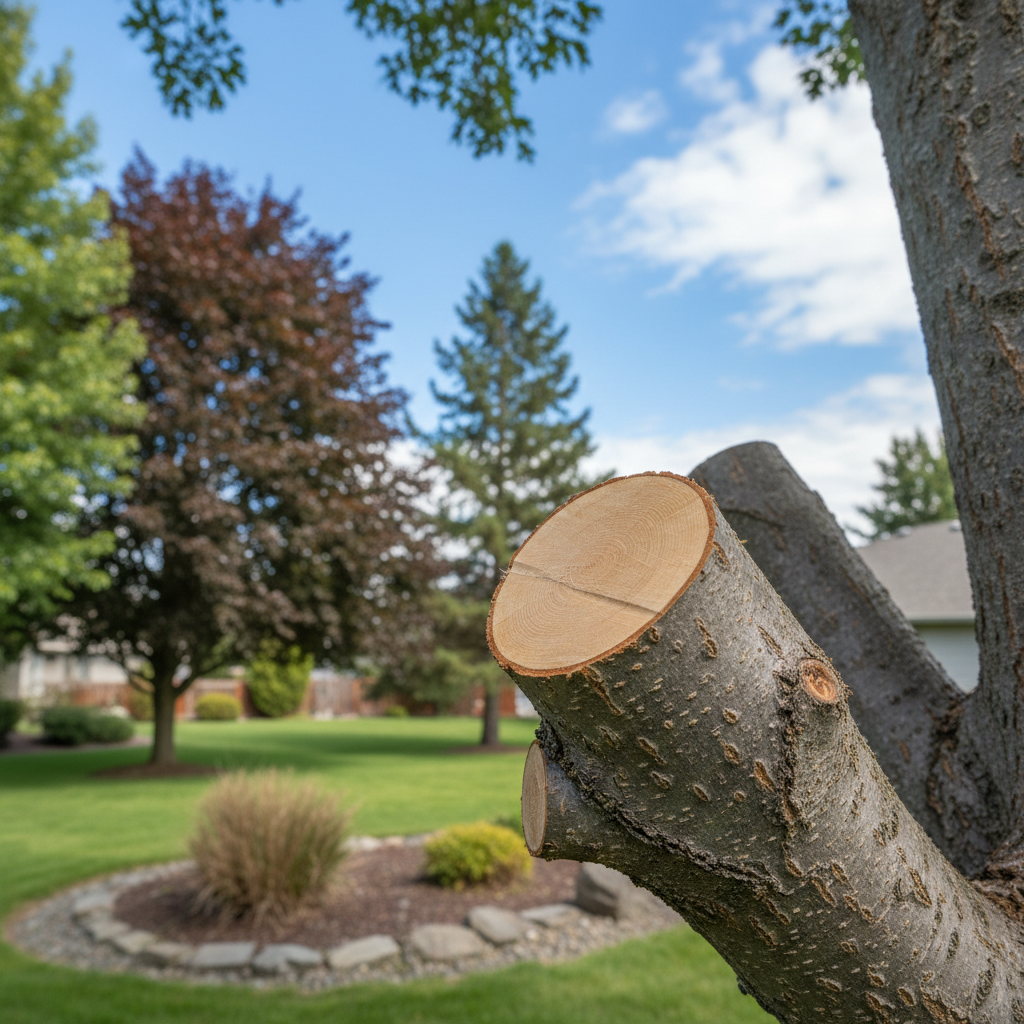
Absolutely not. Never, ever top a tree. I know it's tempting for some folks, especially if a tree has gotten too big or is blocking a nice view. But topping is honestly one of the worst things you can do to a tree. It means cutting big branches back to stubs, often leaving just a main trunk or a few big limbs.
When you top a tree, you're creating these huge wounds that are incredibly tough for the tree to heal. These wounds are basically open invitations for decay, insects, and diseases to move right in. What happens next is even worse: the tree freaks out and sends out a bunch of weak, fast-growing shoots from those stubs. These shoots are often called