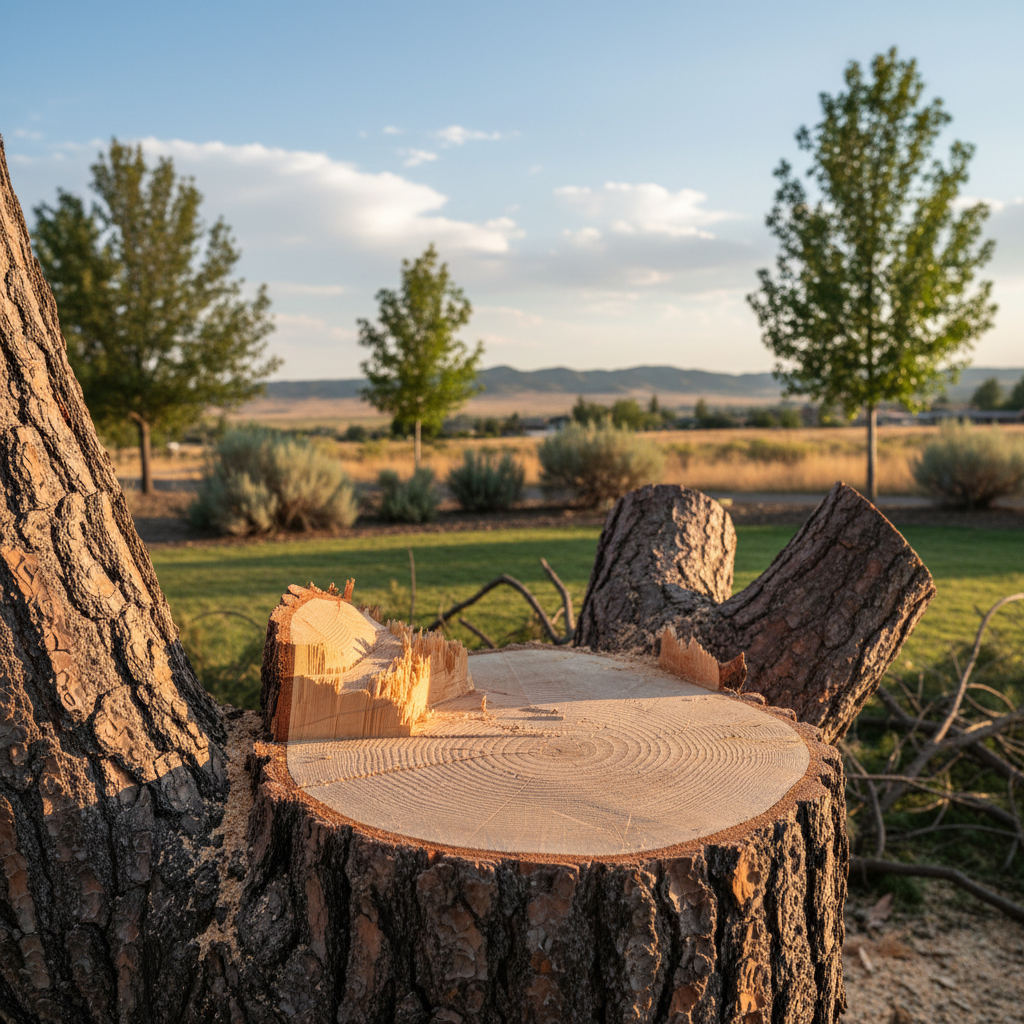
Before You Grab Those Pruners: Planning Your Trim
Alright, let's talk about trimming trees. Every spring and fall, I see people out in their yards with ladders and saws, and sometimes, honestly, they're doing more harm than good. Before you even think about making a cut, you really need a plan. It's not just about hacking off branches; it's about knowing what your tree needs to stay healthy and safe.
First off, get to know your tree. What kind is it? Is it an evergreen, like a pine, or a deciduous tree that drops its leaves every year? Different trees have different trimming needs and specific times of year that are best for pruning. For most deciduous trees here in Richland, especially fruit trees, late winter or early spring before the buds pop out is perfect. You can see the structure better then, and the tree is dormant, so it's under less stress. Evergreens are a bit more flexible, but generally, late summer or early fall, right after their big growth spurt, works well.
Next, figure out what you're trying to achieve. Are you just removing dead or diseased branches? Maybe you're trying to get more air circulating or let more light into your yard. Or perhaps you're just keeping branches from hitting your roof. Having a clear goal will guide your cuts. Don't just start chopping randomly; every cut should have a purpose.
What You Can (Probably) Do Yourself
Look, I'm a professional, but I'm also a homeowner. I totally get wanting to save a few bucks and take pride in your yard. There are definitely some tree trimming tasks you can handle yourself, assuming you have the right tools and a good head on your shoulders, of course.
- Small Deadwood Removal: If you've got small, dead branches – say, an inch or less across – that you can reach safely from the ground or a really stable step stool, go for it. Use sharp hand pruners or loppers. Make sure they're clean, too, to avoid spreading disease.
- Sucker and Water Sprout Removal: These are those fast-growing, often vertical shoots that just pop up from the base of the tree or along branches. They're usually weak and don't really help the tree's health or structure. You can snip these off right at their origin.
- Clearance Pruning (Small Branches): If a small branch is just barely scraping your house or a walkway, and it's easy to reach, you can trim it back. Again, think small diameter, easy reach.
Always use sharp tools. Dull tools tear and damage the bark, which just leaves the tree open to pests and diseases. And for crying out loud, wear safety glasses and gloves!
When It's Time to Call a Pro (Like Us at Richland Tree Service)
This is where I get serious. There's a line, and stepping over it can be dangerous for you and your tree. If any of these situations describe your trimming project, please, put down the saw and pick up the phone:
- Large Branches: Anything over 2 inches in diameter, especially if it's high up or hanging over your house, is a job for a professional. Those branches are heavy, and they can fall unexpectedly, causing serious injury or property damage.
- Working at Height: If you need a ladder that's taller than a step stool, or if you'll be reaching above your head while on a ladder, it's just too risky. Falls from ladders are no joke. We've got the specialized equipment and training to work safely way up high.
- Proximity to Power Lines: This is a HUGE one. If any part of the tree or the branch you're trimming is near power lines, DO NOT TOUCH IT. Seriously, don't even get close. Call your utility company first, then call a professional tree service. Electrocution is a very real danger.
- Diseased or Damaged Trees: If you think a tree is diseased, infested, or has structural issues (like big cracks or splits), a professional can figure out the problem and suggest the best way forward. Bad cuts can actually make things worse.
- Storm Damage: After one of our infamous windstorms blows through, you might have broken or hanging branches. These are incredibly unstable and dangerous. Let the pros handle storm cleanup.
- Major Structural Pruning: If you're looking to significantly change the shape of the tree, make it much smaller, or deal with major crossing branches, you need someone who understands tree biology and proper pruning techniques. Incorrect cuts can permanently disfigure or even kill a tree, you know?
We've seen it all here in Richland, from DIYers getting stuck in trees to branches crashing down on cars. It's just not worth the risk for a few bucks saved.
After the Cut: What's Next for Your Tree
Once the trimming is done, whether you did it or a professional did, the tree needs a little care. Make sure all cuts are clean and smooth. Don't use wound paint or tar; studies have actually shown it hinders the tree's natural healing process. Trees are pretty amazing; they form a callus over the wound to seal it off themselves.
Keep an eye on the tree in the weeks and months after the trim. Look for any signs of stress, like a lot of leaves dropping or discoloration. If you notice a ton of new suckers or water sprouts, it might mean the tree is stressed or that too much was removed. Sometimes, especially with our sandy, well-draining soil here in parts of Richland, a little extra water after a big trim can really help the tree bounce back.
Proper tree trimming isn't just about how things look; it's about the long-term health and safety of your property. Know your limits, stay safe, and don't hesitate to call in the experts when the job gets too big or too dangerous. That's exactly what we're here for.