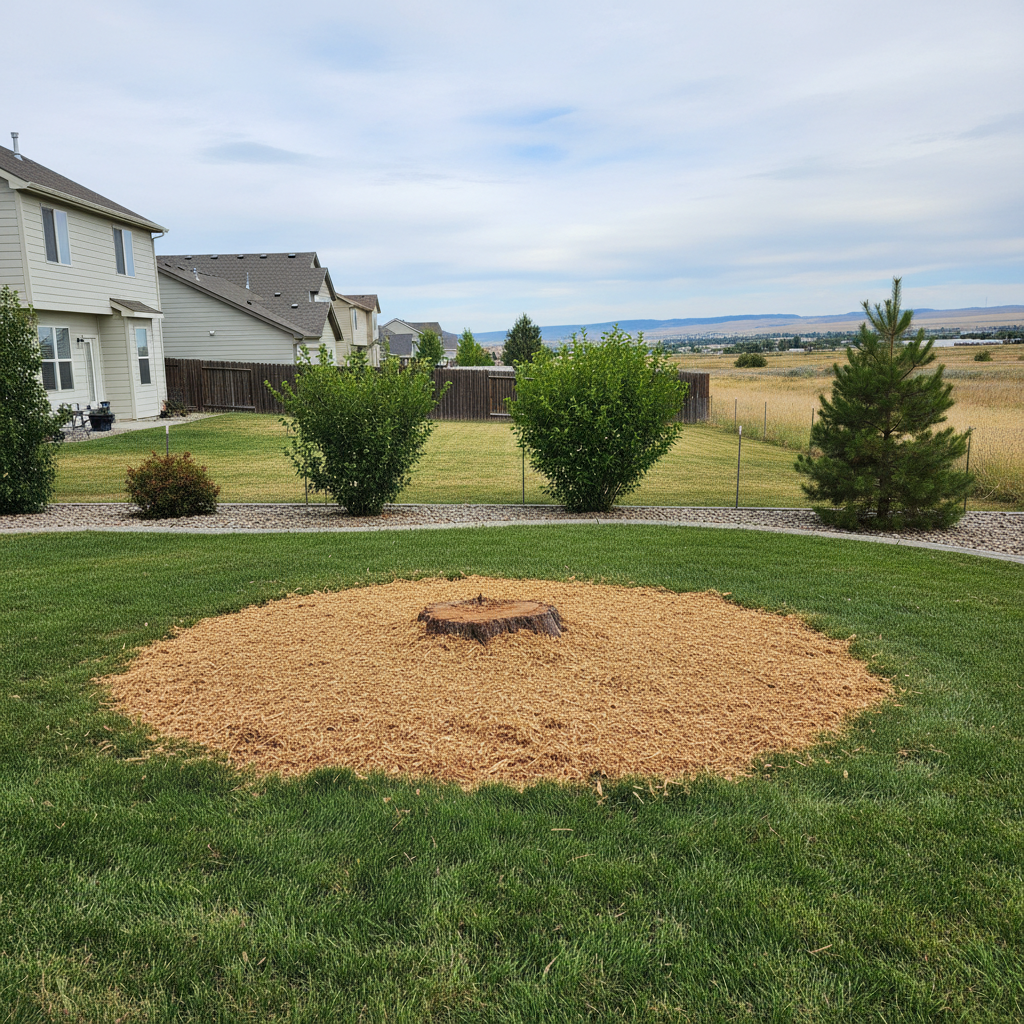
So, you finally got rid of that ugly tree stump that's been bugging you for years. Maybe it was a tripping hazard, or just an eyesore taking up valuable space in your yard. Whatever the reason, you called us, or another local crew, and now it's gone. But the work isn't quite over, is it? Just like any home improvement, there's a little bit of maintenance involved to make sure that spot stays looking good and doesn't cause you problems down the road.
What's Left After Stump Grinding?
When we grind a stump, we're essentially chewing it up into wood chips. We usually go a good 6-12 inches below the ground, sometimes more if it's a really big one. What's left is a hole, filled with a mix of these wood chips and soil. It's not a perfect, ready-to-plant spot right away, and understanding that is the first step to good maintenance.
You'll notice a pile of wood chips. You can spread these around your garden beds as mulch – they're great for keeping weeds down and holding moisture. Or, if you don't want them, we can haul them away for you. Just don't leave them in the hole. That's where the real maintenance begins.
Extending the Life of the Work (and Your Yard)
The biggest thing you need to do is deal with that hole. Those wood chips and soil will settle over time. Especially here in Richland, with our hot, dry summers and sometimes sandy soils, things can compact pretty quickly. If you just leave it, you'll end up with a depression in your yard. That can collect water and become a muddy mess after a good rain, or when you're watering your lawn.
Here's what I tell folks:
- Backfill and Compact: Once the chips are cleared out, you need to fill that hole with good, fresh topsoil. Don't skimp here. Get quality soil. As you fill, compact it in layers. You can use a tamper or just walk over it repeatedly. You want it firm, but not rock-hard. This helps prevent major settling later.
- Overseed or Sod: If you're putting grass back, now's the time. Spread some grass seed, or lay down a patch of sod. Make sure to water it well, especially in our desert climate. New grass needs consistent moisture to establish.
- Planting? Amend the Soil: If you're planning to plant a new shrub or small tree, you'll want to amend the soil in that spot even more. The wood chips left behind will decompose, and that process can temporarily deplete nitrogen from the soil. That's not good for new plants. Add some compost and a slow-release nitrogen fertilizer to give your new plant a fighting chance.
Regular Maintenance: What to Look For
Even after you've backfilled and planted, keep an eye on the area. You're mostly looking for two things:
- Settling: The ground will almost certainly settle a bit more over the first few months, especially after heavy rains or watering. If you see a dip forming, add more topsoil and reseed as needed. It's easier to fix a small dip than a big one.
- Sprouts: Sometimes, even after a thorough grinding, a few dormant root fragments can decide to sprout. These are usually small, leafy shoots coming directly from where the stump was. Don't panic. Just snip them off at ground level as soon as you see them. If you keep doing this, the root will eventually run out of energy and die. If you let them grow, you're basically growing a new tree.
Warning Signs of Problems
Most of the time, stump grinding is a pretty straightforward process with minimal issues afterward. But there are a couple of things that might pop up:
- Persistent Regrowth: If you're constantly battling sprouts, and they seem to be coming back stronger each time, it might mean the stump wasn't ground deep enough. Or maybe it was a particularly tenacious species. Some trees, like Siberian Elms or Black Locusts, are notorious for this, and we see plenty of them around Richland.
- Fungal Growth: Occasionally, you might see mushrooms or other fungi growing in the area. This usually means there are still significant wood fragments decomposing underground. While often harmless to your lawn, it can be a sign that decomposition is active, which can lead to more settling.
- Unusual Odors: A strong, persistent, unpleasant odor could indicate anaerobic decomposition or other issues, though this is pretty rare.
When to Call a Professional (Like Richland Tree Service)
Look, we're not just here to grind stumps; we're here to help you maintain your yard. Here's when it's a good idea to give us a call:
- Stubborn Regrowth: If you've been diligently cutting back sprouts for months and they just won't quit, you might need a professional application of a root killer or a deeper grind. We can assess the situation and recommend the best course of action.
- Major Settling or Drainage Issues: If the area has settled so much it's causing drainage problems in your yard, or if you've got a huge depression that you can't seem to fill properly, we can help with soil amendments and grading.
- Large Fungal Outbreaks: While most fungi are benign, if you're concerned about the type of growth or if it's widespread, it's worth a quick call.
- You Just Don't Want to Deal With It: Hey, I get it. Not everyone has the time or desire to mess with dirt and roots. If you want us to handle the backfilling, soil amending, and even reseeding after a grind, we can absolutely do that. We want your yard to look its best, and we're always happy to help make that happen.
Taking a little extra care after a stump is ground down goes a long way. It protects your investment, keeps your yard looking tidy, and prevents bigger headaches later. If you've got questions or need a hand, you know who to call.